
Including roll-off dumpsters, there are several construction waste disposal options depending on the type, volume, and recycling potential of the debris. Here are the most common solutions, including roll-off dumpsters:
Roll-Off Dumpsters
- Best for: Small and large scale projects with a mix of construction debris.
- How it Works: Montgomery Dumpster Rental delivers a dumpster to your site, you fill it up, and they haul it away.
- Size Options: Typically range from 10 to 40 yards.
- Pros: Convenient, efficient, and available for long-term projects.
- Cons: Requires space on-site and may need a permit.
Junk Removal Services
- Best for: Smaller amounts of debris or mixed materials.
- How it Works: A crew comes and loads debris for you.
- Pros: No labor on your end, quick pickup.
- Cons: Higher cost compared to roll-off dumpsters.
Construction & Demolition Recycling Centers
- Best for: Projects with recyclable materials like wood, concrete, and metals.
- How it Works: You transport debris to a C&D waste facility where materials are sorted and repurposed.
- Pros: Environmentally friendly and may reduce disposal costs.
- Cons: Requires transportation to the facility.
Landfills
- Best for: Non-recyclable materials or hazardous construction waste.
- How it Works: You haul debris to a designated landfill.
- Pros: Ideal for large volumes of mixed waste.
- Cons: Tipping fees apply, and some materials may be restricted.
On-Site Grinding or Crushing
- Best for: Large projects generating significant wood, concrete, or asphalt waste.
- How it Works: Mobile grinding or crushing equipment processes waste on-site for reuse.
- Pros: Reduces hauling costs and landfill waste.
- Cons: Requires proper permits and equipment.
Donation or Reuse Programs
- Best for: Usable materials like doors, windows, and fixtures.
- How it Works: Materials are donated to organizations like Habitat for Humanity ReStores.
- Pros: Tax benefits, helps the community, and reduces waste.
- Cons: Requires sorting and transportation.
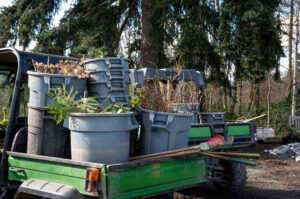
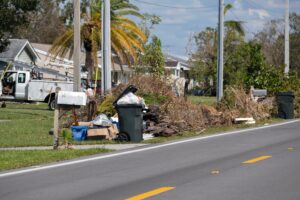
Renting a roll off dumpster and having the container onsite makes disposal of the yard debris so much easier. Just fill the dumpster and Montgomery Dumpster Rental will haul it all away. Call us today to reserve your dumpster rental, you will be surprised how affordable roll-off dumpsters are to rent.
FAQs - Construction Waste Disposal Options
Q: What are the most common construction waste disposal options?
A: The most common options include roll off dumpsters, junk removal services, hauling services, and using recycling facilities for approved materials. The best fit depends on debris type, volume, timeline, and recycling potential.
Q: When is a roll off dumpster the best choice for construction debris?
A: Roll off dumpsters are a strong choice for projects generating steady debris over multiple days, especially when you need a single container on site for mixed construction waste and scheduled pickup.
Q: What dumpster sizes are typically used for construction projects?
A: Roll off dumpsters commonly range from 10 to 40 cubic yards. Smaller sizes work for tight sites and minor remodels, while larger sizes fit major renovations and construction jobs.
Q: What are the pros and cons of roll off dumpsters vs junk removal?
A: Roll off dumpsters are convenient and efficient for ongoing debris, but they require space and sometimes permits. Junk removal is fast and includes labor, but it typically costs more than renting a dumpster.
Q: Do I need a permit to place a dumpster at a construction site?
A: You may need a permit if the dumpster will be placed on a public street, right of way, or sidewalk area. If it is on private property, a permit is often not required, but local rules vary.
Q: What construction materials can usually go into a roll off dumpster?
A: Typical accepted materials include drywall, lumber, roofing debris, flooring, insulation, and general non hazardous construction debris. Always confirm restrictions for special materials and heavy debris.
Q: What items are commonly restricted or not allowed in construction dumpsters?
A: Common restricted items include hazardous waste, chemicals, paints and solvents, batteries, propane tanks, tires, and certain electronics. Ask for a current do not load list to prevent rejection or extra fees.
Q: How do I reduce cost on construction waste disposal?
A: Choose the right container size, avoid overfilling, keep debris below the fill line, prevent prohibited items, and separate recyclable materials when practical to reduce disposal complications.
Q: How do I choose between hauling services and a roll off dumpster?
A: If debris is generated continuously, a roll off dumpster keeps the site clean with less handling. If debris is a one time pile, a hauling service or junk removal can be quicker.
Q: What is the best way to keep a construction site clean and safe during disposal?
A: Centralize debris in a designated area, load evenly, keep walkways clear, and schedule pickups to avoid overflow. A consistent disposal plan helps reduce hazards and delays.




No comment yet, add your voice below!