Winter Yard Cleanup

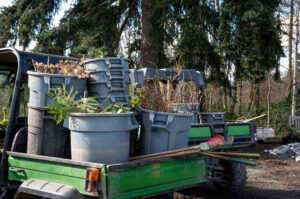
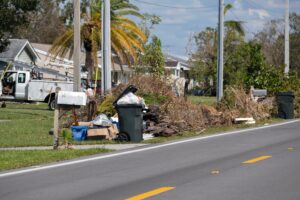
Winter is a great time for yard cleanup and disposal for several reasons, making it an ideal season to prepare your landscape for the coming spring.

Less Growth and Easier Maintenance

During winter, most plants, trees, and grass enter dormancy, meaning they grow much more slowly or stop growing altogether. This makes it easier to trim trees and shrubs without the risk of rapid regrowth. With less foliage, branches and weeds are more accessible, making pruning and removal less labor-intensive.

Better Visibility and Access

Without dense leaves and overgrown vegetation, it’s easier to see the structure of your trees and shrubs, allowing for more precise pruning and shaping. Additionally, with less plant material in the way, removing deadwood, diseased branches, and invasive plants becomes more efficient.

Prevents Pest and Disease Issues

Winter yard cleanup helps remove fallen leaves, rotting plants, and debris that can harbor pests and fungal diseases. By clearing out decaying organic matter, you reduce the risk of infestations and plant diseases that could spread when the weather warms up.

Reduces Spring Overload

Spring is often the busiest season for lawn and garden care, with mowing, planting, fertilizing, and other tasks requiring attention. Cleaning up in the winter prevents a backlog of work and allows you to focus on new growth and landscaping improvements when warmer temperatures arrive.

Ideal for Tree and Shrub Pruning

Winter is the best time to prune most deciduous trees and shrubs since they have lost their leaves, making their structure visible. Proper pruning during dormancy encourages healthy growth in the spring and minimizes stress on the plants.

Easier Leaf and Debris Disposal

In many areas, local municipalities offer winter yard waste pickup or special disposal services, making removing branches, leaves, and other debris convenient. Plus, without the heat and humidity of summer, yard work is often more comfortable.

Prepare for Spring Planting

A clean yard in winter means you can start planting and landscaping as soon as temperatures rise. Removing debris and aerating soil in the winter also improves soil quality, allowing for better plant growth when the season changes.


Renting a roll off dumpster and having the container onsite makes disposal of the yard debris so much easier. Just fill the dumpster and Montgomery Dumpster Rental will haul it all away. Call us today to reserve your dumpster rental, you will be surprised how affordable roll-off dumpsters are to rent.

FAQ’s - Time for Yard Clean Up

Q: Why is winter a smart time to tackle yard cleanup?

A: Winter cleanup is often easier because plants are dormant, there is less overgrowth, and you can see tree structure more clearly for pruning. It also helps reduce spring workload and removes debris that can harbor pests.

Q: What types of yard waste can go in a roll-off dumpster?

A: Common yard-cleanup debris includes branches, brush, leaves, shrubs, small stumps/roots (where accepted), old mulch, and general yard debris from trimming, pruning, and removal projects.

Q: Can I throw dirt, sod, or rocks in the dumpster from a winter yard project?

A: Sometimes, but “heavy debris” rules vary by provider and container type. If your winter cleanup includes dirt, sod, concrete, brick, or rocks, confirm the correct container and weight limits before loading to avoid overage fees or rejected loads.

Q: What size dumpster is best for winter yard cleanup?

A: It depends on volume and the kind of debris. Small branch-and-bag jobs often fit a smaller roll-off, while major tree trimming, fence tear-outs, or multi-day brush removal typically need a larger container. When in doubt, size up to avoid overflow.

Q: How should I load a dumpster with limbs and brush to maximize space?

A: Break down branches, cut long limbs into manageable lengths, and stack them tightly (but safely) to reduce air gaps. Put heavier, bulky pieces on the bottom and keep everything below the fill line.

Q: Are there materials I should NOT put in a yard-cleanup dumpster?

A: Yes. Common prohibited items include liquids, paints/solvents, pesticides/chemicals, propane tanks, batteries, tires, and electronics. If you are clearing a shed or garage during yard cleanup, ask for a “do not load” list first.

Q: Will wet leaves and rain-soaked debris affect dumpster weight?

A: Absolutely. Wet organic material can add significant weight. If heavy rain is expected, consider covering the dumpster when not in use (if allowed) and avoid overloading with saturated debris.

Q: Do I need a permit to place a dumpster for yard cleanup?

A: If the dumpster stays on private property (driveway or yard access area), usually not. If it must go on a street, public right-of-way, or sidewalk area, you may need a local permit. Check your city/county rules before delivery.

Q: Where should the dumpster be placed for winter yard work?

A: Choose a flat, stable surface with clear access for delivery/pickup, away from soft ground that can turn muddy. Make sure gates are unlocked and vehicles are moved so the driver has a straight approach.

Q: How far in advance should I schedule my dumpster rental?

A: A few days ahead is usually safe, but scheduling earlier helps you secure the ideal delivery day (especially after storms when demand spikes).

Recommended Posts

No comment yet, add your voice below!


Add a Comment

Your email address will not be published. Required fields are marked *